Checking Out the Trick Functions of Monograph Audit for Effective Accountants

Specifying Monograph Accounting: A Comprehensive Summary
Monograph accountancy stands for a specialized technique within the wider area of monetary reporting. This method highlights the methodical and detailed documents of economic deals and their effects. Unlike traditional bookkeeping, Monograph accountancy is usually tailored to distinct scenarios or specific industries, providing a focused framework for analysis and reporting. It enables accounting professionals to dive much deeper right into particular areas, providing a thorough view that straightens very closely with organizational objectives.
A key attribute of Monograph accounting is its flexibility; it can integrate various audit criteria and techniques as required. This flexibility enables accounting professionals to create records that are not just accurate but likewise pertinent to stakeholders. The technique frequently entails substantial study and evaluation of economic information, making certain that every element is extensively understood and recorded. Thus, Monograph accountancy functions as an important device for accounting professionals aiming to supply informative monetary assessments tailored to specific contexts.
The Importance of Clearness and Accuracy in Financial Coverage
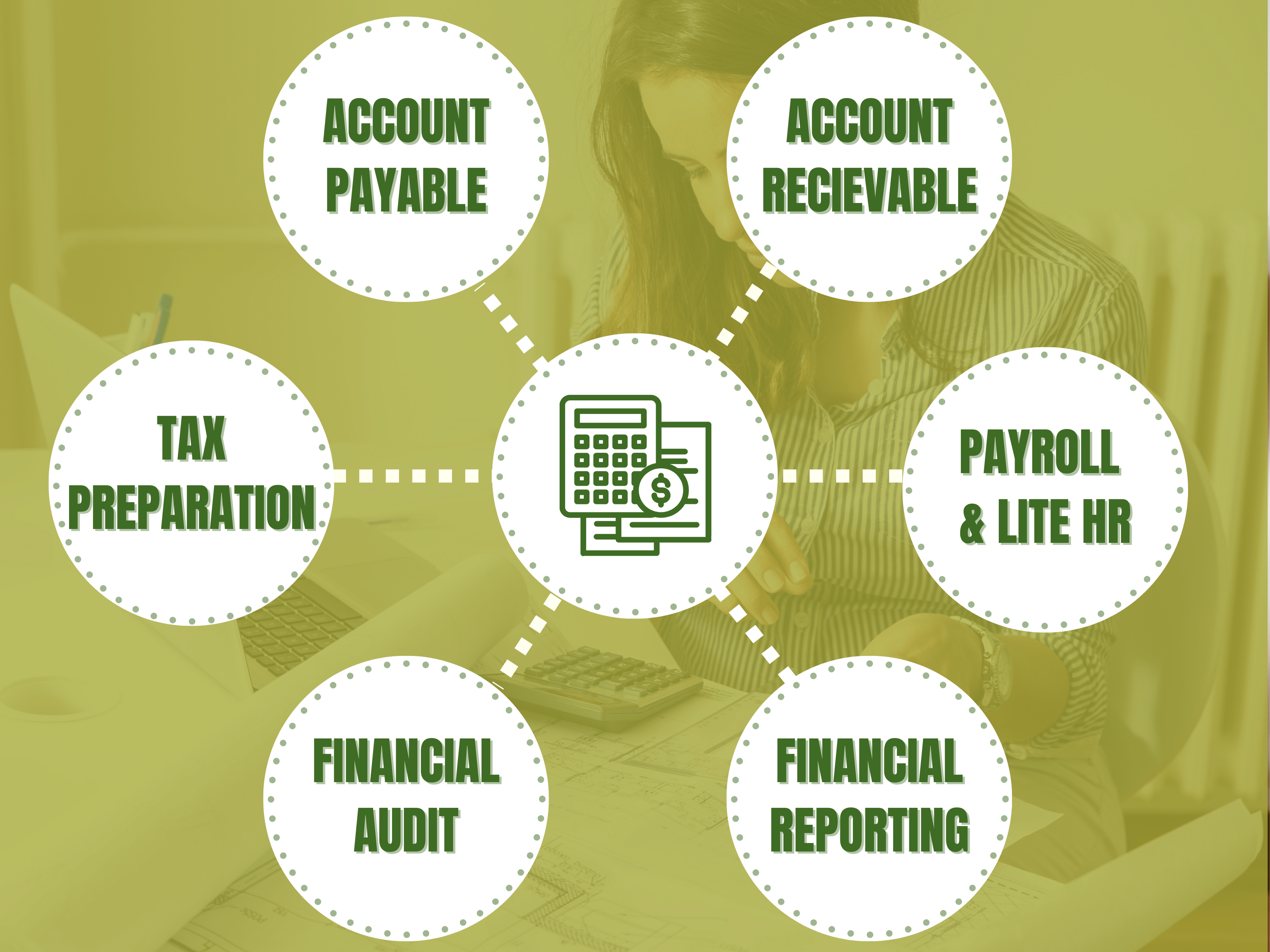
Unreliable or unclear reporting can cause illinformed strategies, wore down trust amongst capitalists, and regulatory examination. Accounting professionals must focus on accuracy in their job, making sure that numbers are carefully confirmed and economic stories are coherent. This not just cultivates openness but additionally boosts the total integrity of the organization.
Ultimately, clearness and precision in economic reporting are important for keeping stakeholder confidence and advertising sustainable service development. Accounting professionals play a vital duty in supporting these standards, making their proficiency indispensable in browsing the complexities of financial information.
Streamlining Decision-Making Procedures Through Monograph Accountancy
Efficiency in decision-making processes is dramatically enhanced via the principles of Monograph audit. By combining thorough financial information right into a singular, coherent framework, accounting professionals can swiftly access important information needed for notified choices. This method decreases the time spent on data retrieval and analysis, permitting a much more active action to financial scenarios.
Additionally, Monograph accountancy stresses clear categorization and thoughtful organization of financial purchases, which reduces mistakes and miscommunication. When accountants use these concepts, they can present financial insights in an organized way, promoting discussions amongst stakeholders.
In addition, the standardization intrinsic in Monograph accountancy makes it possible for smooth contrasts across various periods or divisions, additionally helping in tactical planning. This streamlined technique not only optimizes the internal procedures of accountancy professionals but additionally go to my blog boosts the total business dexterity, empowering companies to adjust to transforming market conditions promptly.
Trick Benefits for Accountants and Their Clients
While embracing Monograph audit might need a preliminary investment of time and sources, the long-lasting benefits for both accountants and their clients are substantial. This bookkeeping approach promotes enhanced precision and transparency, allowing accountants to preserve clearer financial records. By consolidating information into a particular narrative, clients get much better insights right into their financial health, promoting informed decision-making.
Moreover, Monograph bookkeeping fosters stronger client relationships with boosted communication (Monograph Accounting). Accounting professionals can present economic information in a much more digestible format, making it simpler for clients to comprehend complicated details. This clarity not just constructs count on yet likewise motivates positive financial management
In addition, the structured procedures linked with Monograph accounting decrease the likelihood of mistakes, which can save both money and time. Inevitably, the combination of this approach causes more effective procedures, allowing accounting professionals to supply better service while encouraging clients with enhanced economic understanding and control.
Practical Applications of Monograph Accountancy in Different Industries
In what ways can monograph bookkeeping change various markets? By supplying a focused and detailed approach to economic reporting, Monograph accounting enhances clearness and accuracy throughout diverse fields. In medical care, for example, it facilitates the specific monitoring of client costs and source allowance, ultimately improving economic administration. The manufacturing sector gain from its organized evaluation of production expenses, enabling for better prices strategies and earnings assessments.
In the retail market, Monograph accountancy aids in inventory monitoring and sales projecting, assisting organizations maximize advice stock degrees and decrease waste. Additionally, in the nonprofit sector, it aids in transparent coverage of grant funding and resource use, fostering trust fund amongst stakeholders. On the whole, Monograph accountancy's customized approaches make it possible for companies to achieve financial transparency and operational effectiveness, making it a very useful tool across different sectors. Its versatility makes certain that companies can satisfy specific bookkeeping demands while preserving conformity with guidelines.
Frequently Asked Inquiries
What Software application Is Ideal for Implementing Monograph Bookkeeping?
The most effective software for executing Monograph audit includes Xero, and Sage. These platforms offer extensive features tailored for effective tracking, reporting, and administration of economic data, assisting in streamlined bookkeeping procedures for specialists.
How Does Monograph Accountancy Differ From Typical Audit Techniques?
Monograph bookkeeping focuses on private tasks or customers, stressing thorough tracking and reporting for certain entities, while conventional bookkeeping aggregates information across all entities, focusing on general financial health and wellness instead of project-specific insights and efficiency.
What Prevail Obstacles Accountants Face With Monograph Bookkeeping?
Accountants commonly encounter obstacles with Monograph accounting, including complexity in monetary reporting, combination with existing systems, ensuring conformity with guidelines, adapting to special customer requirements, and handling the in-depth paperwork needed for exact evaluations.
Exist Details Laws Governing Monograph Accounting Practices?
Yes, specific laws usually regulate Monograph bookkeeping practices, consisting of adherence to nationwide accounting requirements, compliance with tax obligation laws, and industry-specific guidelines. Accountants have to remain enlightened to ensure their methods line up with these established frameworks.
How Can Accountants Remain Upgraded on Monograph Accountancy Trends?
Accounting professionals can stay updated on Monograph accounting trends by registering for industry magazines, participating in pertinent workshops and meetings, taking part in professional companies, and involving with online discussion forums devoted to accountancy standards and best practices. (Monograph Consultants)
Monograph bookkeeping provides an unique framework that improves financial reporting for accounting visit our website professionals. Unlike typical accountancy, Monograph accountancy is often tailored to special scenarios or particular markets, providing a concentrated framework for analysis and reporting. A key attribute of Monograph accountancy is its versatility; it can integrate different accountancy standards and techniques as needed. By providing a focused and comprehensive strategy to monetary coverage, Monograph accountancy enhances clearness and precision across diverse fields. Yes, certain regulations typically regulate Monograph audit methods, consisting of adherence to national accounting standards, conformity with tax regulations, and industry-specific standards.